Emergency Dentist Recommendations for First Aid After a Tooth Injury
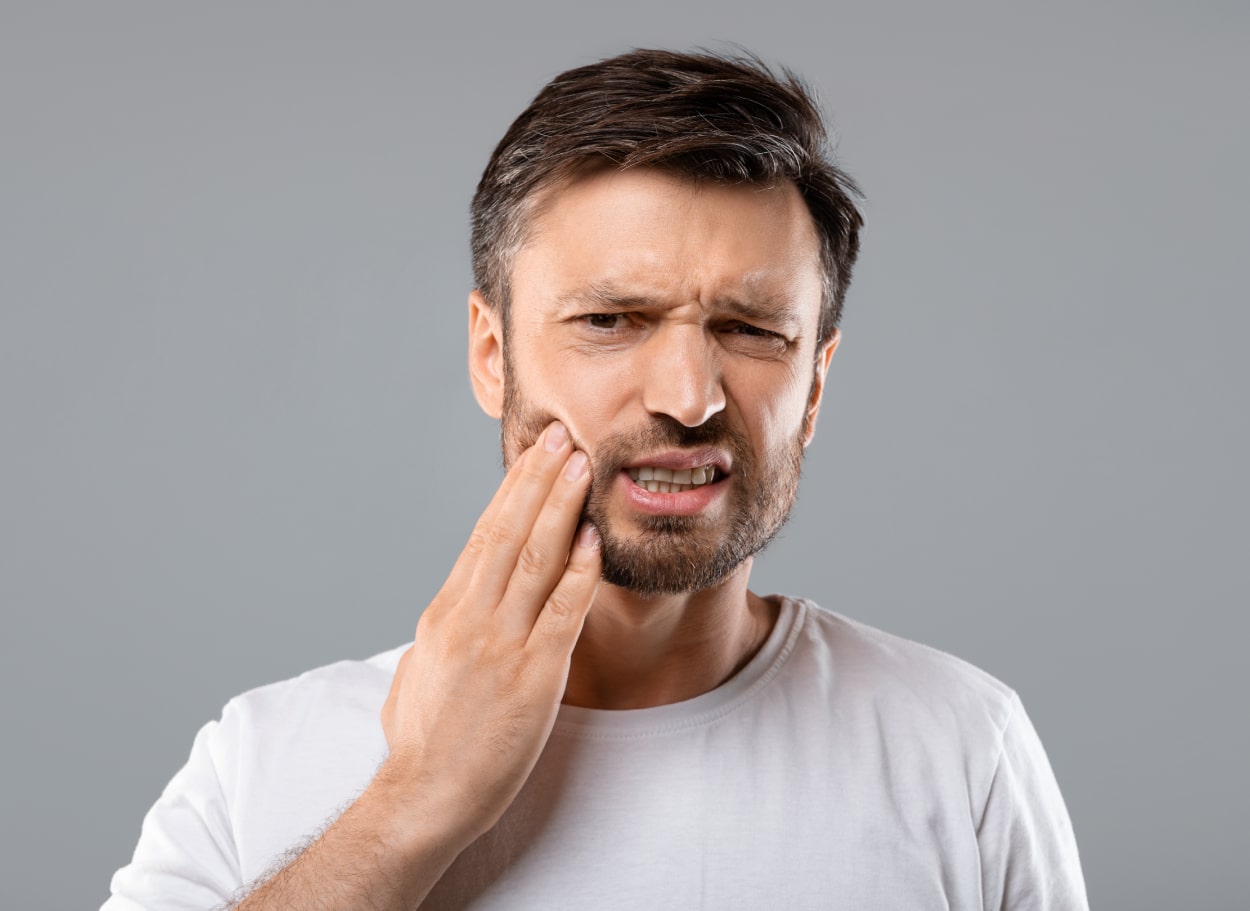
A tooth injury has a way of turning an ordinary day into a frantic one. A slip on the stairs, an elbow during a basketball game, a chipped front tooth from a fork that hit the wrong angle, and suddenly the question is not cosmetic, it is urgent. Pain, bleeding, swelling, and uncertainty tend to arrive all at once. In that moment, the right first aid can make a meaningful difference to comfort, long term tooth survival, and the kind of treatment an Emergency Dentist may need to provide later.
Dental injuries are common enough that most dentists see them regularly, but they are still handled poorly at home far too often. People rinse a knocked out tooth under hot water, scrub the root, wrap it in tissue, or wait until the next day because the bleeding slowed down. Those small decisions matter. Teeth and the tissues around them are surprisingly delicate after trauma, and timing matters more than most people realize.
The first priority is always overall safety. A tooth injury can be part of a larger facial injury, and not every dental emergency is only dental. If there is loss of consciousness, vomiting, severe dizziness, heavy bleeding that will not stop, difficulty breathing, or concern for a jaw fracture, medical emergency care comes first. Once those issues are addressed, the focus shifts to preserving the tooth, controlling pain, and getting prompt assessment.
The first few minutes shape the outcome
When people call an Emergency Dentist after an injury, the best outcomes usually come from calm, simple first aid done right away. The common thread is preservation. Preserve the blood clot, preserve the tooth structure, preserve the ligament cells on the root if a tooth has been knocked out, and preserve as much information as possible about what happened.
Start by having the injured person sit upright. That position helps limit swelling and makes it easier to control bleeding. If there is blood in the mouth, gentle rinsing with a small amount of clean water is usually enough to clear the area so you can see what has happened. Vigorous swishing is a mistake after trauma because it can disturb clotting and increase bleeding.
A cold compress on the outside of the cheek or lip often helps quickly. Ten minutes on and ten minutes off is a practical rhythm in the first hour. Ice should be wrapped in cloth rather than pressed directly onto the skin. The goal is to reduce swelling, not to create an ice burn.
Pain relief can usually begin at home, but judgment matters. Acetaminophen is often a straightforward option if the person can take it safely. Ibuprofen may also help with pain and inflammation, though it is not right for everyone, especially those with certain stomach, kidney, bleeding, or medication issues. Aspirin is generally less helpful in a fresh bleeding injury because it can make bleeding harder to control. For children, medication should be age appropriate and dosed exactly as directed.
How to tell what kind of injury you are dealing with
Not every tooth injury looks dramatic. A large fracture is obvious, but subtle injuries can be just as important. A tooth can be cracked without losing a visible piece. It can be loosened in the socket even if it looks intact. It can be pushed inward or shifted sideways. It can also suffer internal trauma that does not show until hours or days later.
A chipped enamel edge might feel rough but cause little pain. A deeper fracture often reacts to air, cold water, or touch, and may show a pink or red spot if the nerve is exposed. A loose tooth can feel “high” when biting, or the person may say their teeth no longer fit together the same way. After a blow to the mouth, numbness of the lip, changes in the bite, or difficulty opening and closing can suggest injury beyond the tooth itself.
Soft tissue injuries matter too. Cuts on the lips, cheeks, and tongue can bleed heavily because the mouth is well supplied with blood. Many look worse than they are, but some require sutures or a careful check for embedded tooth fragments. It is not unusual for a tooth to break and leave a sharp piece lodged in the lip. If swelling grows quickly, or if a laceration crosses the border of the lip where the skin meets the red lip tissue, prompt professional care is especially important.
What to do right away
The best first aid is simple and specific. These are the measures most Emergency Dentist teams recommend in the first minutes after a dental injury:
- Control bleeding with clean gauze or a clean cloth, using steady pressure for about 10 minutes without repeatedly checking.
- Rinse gently with water to remove debris, but do not scrub the injured tooth or gum tissue.
- Use a cold compress on the outside of the face to limit swelling.
- Save any broken tooth pieces and bring them to the appointment in a clean container, ideally with milk or saline if available.
- Contact an Emergency Dentist promptly, especially for a knocked out, loose, displaced, or deeply fractured tooth.
Those steps are broad, but the exact response changes depending on what happened to the tooth.
If a tooth is chipped or broken
A chipped tooth is sometimes treated as a minor inconvenience, especially if pain is mild. That can be reasonable when the fracture is tiny and limited to enamel, but it is not always easy to tell at home how deep the break goes. What looks like a simple chip may involve dentin, which is the more sensitive layer under the enamel, or in some cases the pulp, where the nerve and blood supply live.
If a piece breaks off, save it. A fragment can occasionally be bonded back into place, especially if it is clean and the break is fresh. Keep it moist rather than letting it dry out on a paper towel. Milk or saline works well, and plain water is better than dry storage if nothing else is available.
Until the tooth is assessed, avoid chewing on that side. A broken edge can cut the tongue or cheek. Dental wax from a pharmacy can help cover a sharp edge temporarily. Sugar free chewing gum can serve as a stopgap if wax is not available, though it should be used carefully and not on a tooth https://devintnhu643.opalvector.com/posts/how-an-emergency-dentist-treats-a-dislodged-or-shifted-tooth that is very loose.
If there is strong sensitivity to air or cold, that usually suggests a deeper fracture. It does not always mean root canal treatment will be needed, but it raises the stakes. The sooner the tooth is sealed and protected, the better the chance of avoiding worsening pain and bacterial contamination.
If a tooth is loose or pushed out of position
A tooth that wiggles after trauma should never be tested repeatedly. People do this instinctively because they want to know how bad it is, but constant movement can worsen the injury. The same applies to a tooth that looks longer, shorter, or crooked after the impact.
Do not try to force a displaced tooth back into place unless a dental professional has instructed you to do so and you clearly understand the situation. A gentle repositioning done by the right hands can help in some cases, but clumsy pressure can create more damage, especially if there is an associated fracture in the root or surrounding bone.
Soft foods are the rule until the tooth is stabilized and assessed. Yogurt, soup that is warm rather than hot, eggs, pasta, oatmeal, and smoothies are practical choices. Crunchy foods, hard crusts, nuts, and chewy candy are exactly the kind of things that turn a manageable injury into a more complicated one.
It is also wise to avoid smoking and alcohol after an oral injury. Both can interfere with healing and make tissues more irritated. That advice can sound routine, but it is based on what dentists see every day. Trauma sites in smokers often look angrier, and clots dislodge more easily.
If a tooth is knocked out completely
A knocked out permanent tooth is one of the few true race against time situations in dentistry. The root surface is covered with living ligament cells that help the tooth reattach properly once it is replanted. Those cells do not tolerate drying well. Minutes matter.
If the tooth is a baby tooth, do not reinsert it. Replanting a primary tooth can injure the developing adult tooth underneath. A child still needs prompt evaluation, but the handling is different.
If it is a permanent tooth, pick it up by the crown only, which is the part normally visible in the mouth. Do not touch the root. If the tooth is dirty, rinse it very briefly with milk, saline, or clean water for a few seconds. Do not scrub it. Do not use soap. Do not wrap it in tissue. If the person is alert and cooperative, and the tooth appears intact, gently placing it back into the socket right away can significantly improve the prognosis. Once in place, the person can bite softly on gauze to help hold it there while you head to the Emergency Dentist.
If reinsertion is not possible, storage matters. Milk is a practical and widely available option. Saline is also good. A commercial tooth preservation kit is ideal if one happens to be on hand, though few households keep one. Some dentists may suggest storing the tooth in the person’s saliva, such as inside the cheek, but that is only appropriate if there is no risk of swallowing or aspiration. For young children, confused adults, or anyone distressed enough that they might choke, use a container instead.
A useful rule of thumb is that a tooth replanted within about 30 minutes generally has a better chance than one that has been dry for a longer period, but this is not a strict cutoff. Teeth have been saved after longer intervals, especially when stored properly. The right message is not hopelessness, but urgency.
When the injury involves the gums, lips, or jaw
Not every urgent visit to an Emergency Dentist is really about the tooth itself. A torn lip, a puncture wound from a broken tooth edge, or a jaw that will not close properly can be the dominant issue. These injuries deserve respect.
Mouth wounds can bleed heavily. Firm, uninterrupted pressure with gauze often works if it is maintained long enough. People commonly remove the gauze every minute or two to check the progress, and that resets the clotting process. Ten straight minutes of pressure is often more effective than half an hour of inconsistent checking.
If the bite feels suddenly wrong on both sides, the jaw clicks painfully, or the person cannot open normally, a fracture or joint injury is possible. That is not something to watch overnight. It needs in person evaluation. The same is true if teeth feel numb, several teeth are mobile together as a unit, or a section of bone appears to move.
A small cut inside the cheek can often heal well on its own, but deep lip lacerations, wounds contaminated with dirt or gravel, and cuts with visible yellow fat or gaping edges need timely care. If the injury happened outdoors, think about tetanus status as well. Dental offices may direct the patient to medical care for that part of management.
Signs that should move you from “watch closely” to “go now”
Some injuries can safely wait a short time for a same day appointment, but others should be treated with immediate urgency. The following situations warrant prompt contact with an Emergency Dentist or urgent medical evaluation, depending on the full picture:
- A permanent tooth has been knocked out, loosened significantly, or pushed out of position.
- Bleeding continues despite 10 to 15 minutes of firm pressure.
- There is severe pain, increasing swelling, or a visible crack that extends toward the gumline.
- The bite has changed, the jaw may be injured, or opening the mouth is difficult.
- A child has mouth trauma plus drowsiness, vomiting, or signs of head injury.
That last point matters because dental trauma and head trauma often happen together. A mouth injury can distract from more serious problems.
What an Emergency Dentist may do once you arrive
People often expect a dramatic repair on the spot, but the first visit after trauma is usually about diagnosis, stabilization, and preservation. The dentist will ask how the injury occurred, when it happened, whether the tooth was out of the mouth and for how long, and what first aid has already been done. Small details can shape the plan.
Examination usually includes checking tooth mobility, tapping the tooth gently, assessing the bite, and inspecting soft tissues for hidden fragments. Dental X rays are often part of this process, though not every injury needs the same images. In some situations, especially when root fractures or jaw injuries are suspected, additional imaging is appropriate.
Treatment may involve smoothing a sharp edge, bonding a fragment back, placing a protective temporary covering over exposed dentin, splinting a loose tooth to neighboring teeth, repositioning a displaced tooth, or managing soft tissue wounds. A knocked out and replanted tooth usually needs stabilization and close follow up. Antibiotics are sometimes prescribed, though not automatically for every injury. Tetanus considerations come into play in some trauma scenarios, especially when contamination is involved.
One point that surprises many patients is that a traumatized tooth can look stable at first and still develop problems later. The nerve may not survive the injury. Color changes, delayed pain, swelling, or tenderness can appear days or weeks afterward. That is why follow up is part of good emergency care, not an optional extra.
Children, sports, and the details that change the advice
Children are not just small adults when it comes to dental trauma. Primary teeth have different roots, developing adult teeth are nearby, and cooperation varies widely depending on age and fear level. The guiding principle is gentleness. A child with a knocked out baby tooth should not have it replanted. A child with a knocked out permanent tooth, which often begins to matter around age six and onward, needs urgent tooth preservation just like an adult.
Sports injuries bring their own pattern. Mouthguards reduce risk, but they do not eliminate it. In contact sports and activities with wheels, the most common mistake is delay. A teenager chips a front tooth during practice, finishes the game because the pain is manageable, then shows up the next day with a dehydrated fragment in a plastic bag and a much more complicated repair ahead. Quick action often saves money as well as tooth structure.
Adults sometimes underestimate kitchen injuries, fall injuries, and work related trauma because they seem less dramatic than sports collisions. Yet a face first fall onto tile can produce some of the most complex dental injuries a general practice sees. Mechanism matters less than the result.
Mistakes that make a bad situation worse
Experience teaches this clearly: a lot of damage after a tooth injury happens after the actual accident. It happens in the bathroom mirror, at the kitchen sink, or in the car on the way to get help.
Scrubbing the root of a knocked out tooth is a classic example. People do it because they want the tooth “clean,” but what they remove are the very cells needed for reattachment. Another common mistake is storing the tooth dry. A tissue, napkin, or pocket feels protective, but biologically it is the wrong environment.
Waiting because the pain is tolerable is another trap. Nerve damage does not always hurt immediately. A fractured tooth can be relatively calm for hours and then deteriorate. The same is true for children who seem fine at first and then become more distressed as swelling and bruising develop.
There is also the issue of home adhesives. People occasionally ask whether they can use over the counter glue for a broken crown or chip. The answer is no. Household adhesives are not safe for oral tissues and complicate proper repair. Temporary dental cement sold for lost fillings or crowns has a legitimate place, but it is not a fix for a traumatic fracture unless a dentist specifically recommends it.
Preparing for the call and the visit
When contacting an Emergency Dentist, useful information includes the patient’s age, whether the tooth is permanent or baby if known, whether the tooth is loose, broken, or fully out, how long ago the injury happened, whether there is uncontrolled bleeding, and whether the person may also have a head or jaw injury. A clear photo can help a dental office triage the urgency, though it never replaces an examination.
Bring any tooth fragments, the knocked out tooth if applicable, and a list of medications and allergies. If the person took pain relievers already, mention what and when. That can influence what is recommended next.
If you are caring for someone else, especially a child, your calm is part of the first aid. Fear makes it harder to inspect the mouth, stop bleeding, and preserve a tooth correctly. Short, direct instructions help. “Hold this gauze and bite gently.” “We are keeping the tooth wet.” “We are going to the dentist now.” Simple language works better than a flood of reassurance.
Aftercare in the first day or two
Even after prompt treatment, the mouth is usually tender for a few days. Soft foods, careful cleaning, and attention to instructions matter. Most dentists recommend a soft toothbrush and gentle brushing around the injured area rather than avoiding it completely. A mouth that is not cleaned tends to inflame and heal more slowly.
Temperature extremes can be uncomfortable. Very hot coffee, icy drinks, and acidic foods often provoke sensitivity after trauma. Room temperature foods are usually easier in the first 24 to 48 hours. If a splint has been placed, sticky foods are particularly troublesome.
Swelling generally peaks after the first several hours, not instantly at the time of injury. Mild bruising of the lip or gum is common. Worsening swelling, fever, foul taste, or throbbing pain should prompt a recheck. Those signs can point to infection or a tooth that is not recovering well.
The larger point is that first aid after a tooth injury is not about perfection. It is about avoiding preventable mistakes and protecting the tooth and surrounding tissues until professional care takes over. Clean hands, gentle handling, moisture where it matters, pressure for bleeding, cold for swelling, and fast contact with an Emergency Dentist are the essentials. In dental trauma, small decisions made in the first ten minutes often shape what is possible in the weeks and years that follow.
Smyle Dental Newhall
23754 Newhall Ave
Santa Clarita, CA 91321, United States
+16612559200
FAQ About Emergency Dentist
Will the ER do anything for dental pain?
An emergency department can assess serious complications and provide temporary care, but it usually cannot provide definitive dental treatment such as a filling or root canal. A dentist needs to identify and treat the cause. Call 911 or seek emergency medical care for difficulty breathing or swallowing, major facial injury, or uncontrolled bleeding.
What qualifies as a dental emergency?
A knocked-out permanent tooth, severe or persistent dental pain, swelling, and a broken tooth with pain need prompt professional assessment. Contact a dentist immediately for guidance on how urgently to be seen. Rapidly spreading swelling or swelling that affects breathing or swallowing requires emergency medical care.
What to do if I have a dental emergency in the middle of the night?
Call your dentist's office for after-hours instructions. Smyle Dental Newhall can be reached at (661) 255-9200; confirm when treatment is available. Do not wait for the office to open if you have trouble breathing or swallowing, uncontrolled bleeding, or a major facial injury. For a toothache while arranging dental care, gently rinse with warm water and avoid putting aspirin directly on the tooth or gums.